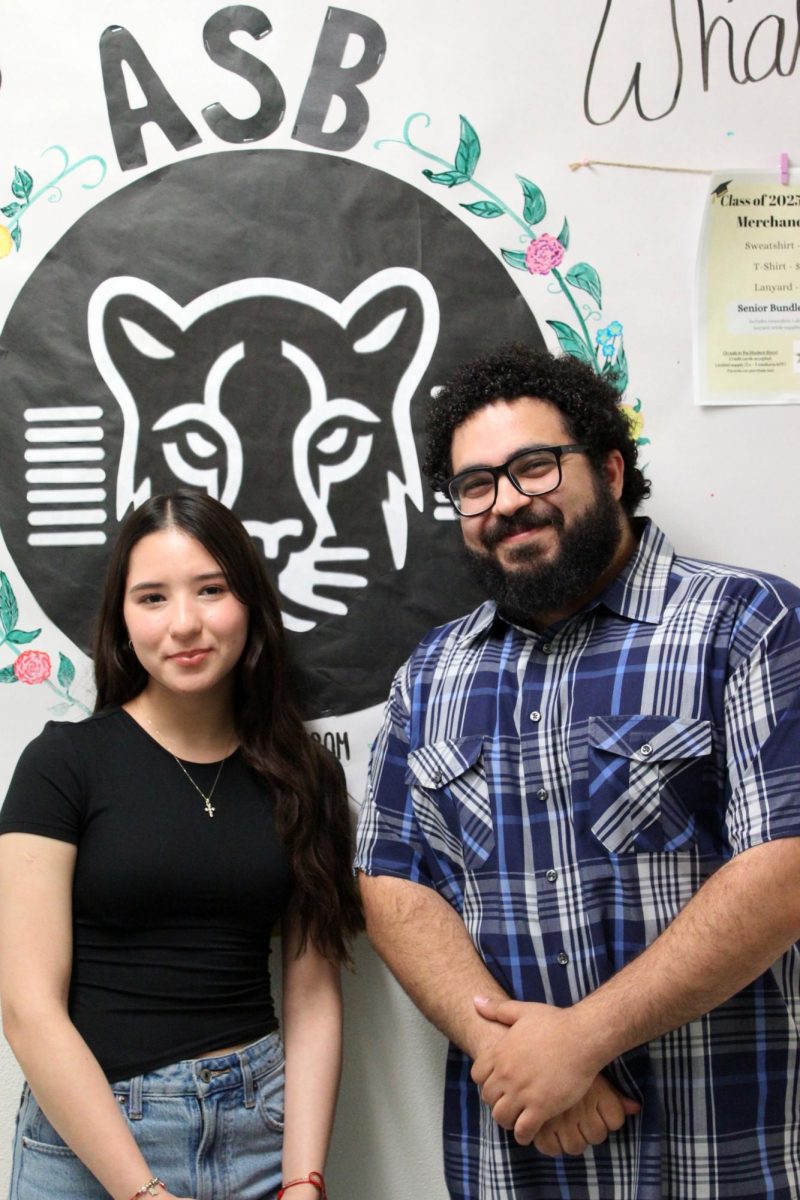



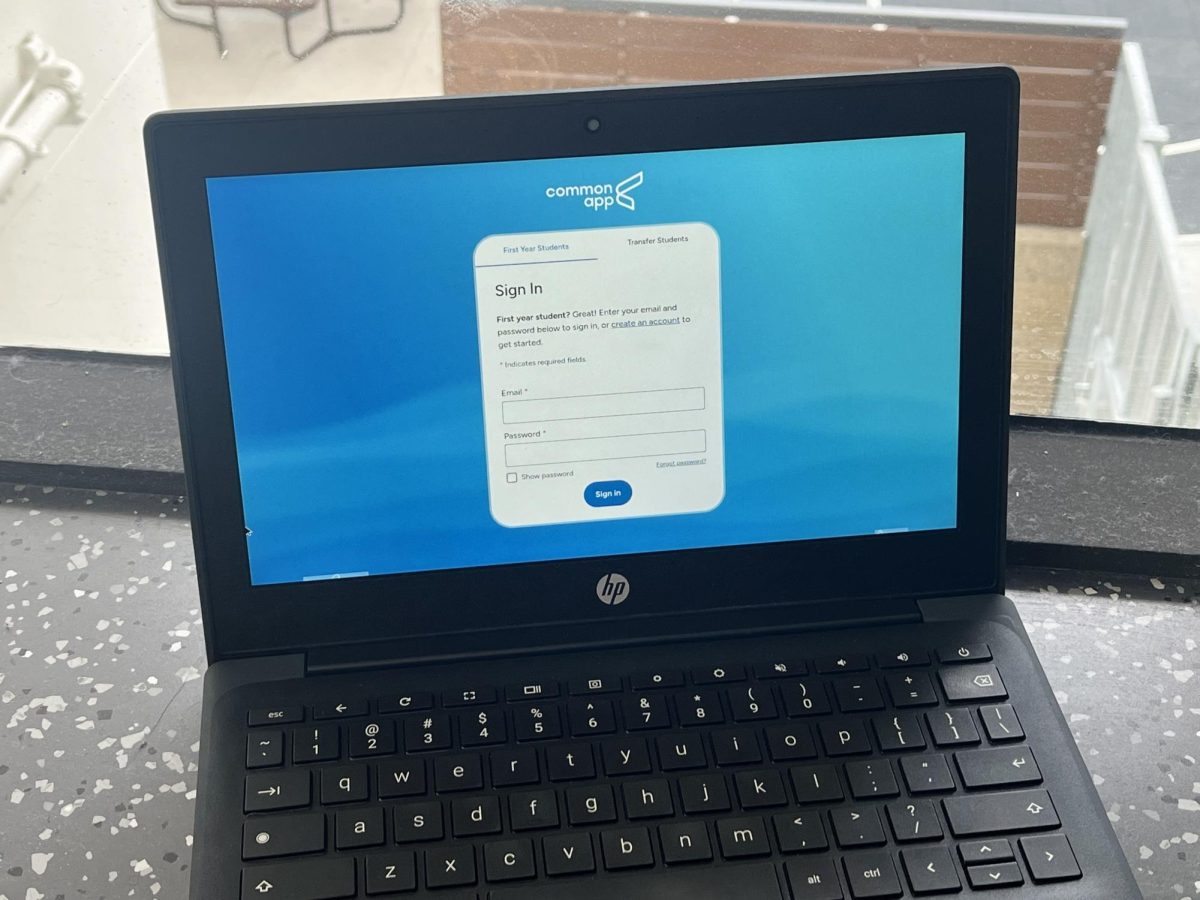





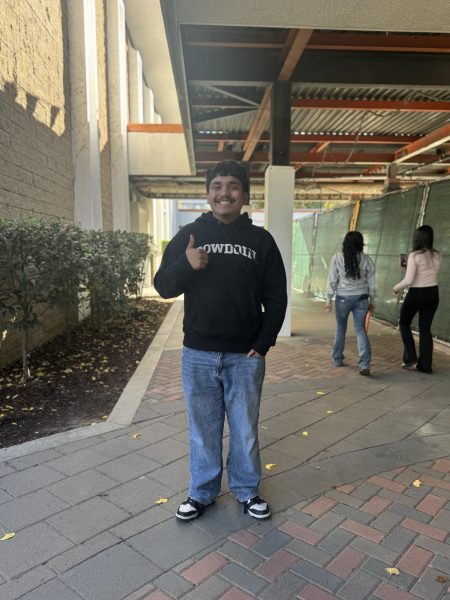
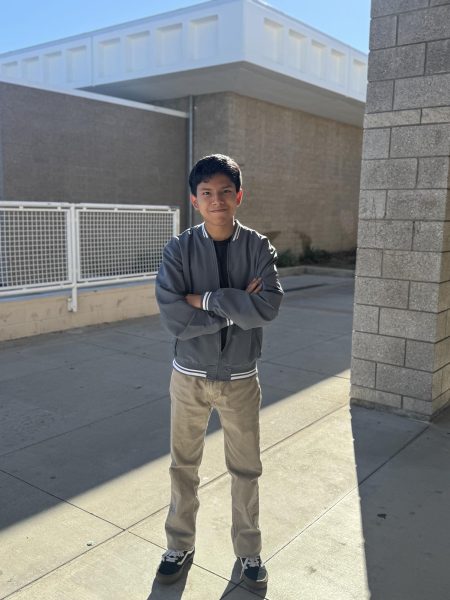
John F. Kennedy students Hugo Chayan and Joe Morales have been matched on Questbridge with Rice University and Bowdoin University for the upcoming academic year, transferring into college.
The QuestBridge platform serves to connect students with a low income background with, “educational, career, and life opportunities . . . regardless of race, geography, or academic interest.”
If granted, students are provided a full ride, four year scholarship worth over $325,000 to a participating college with fully paid tuition, housing, food, and other expenses.
To be selected from QuestBridge, a student must be well rounded in all areas which include strong achievement academically, leadership experience, and high financial need. The competitive rate for these students is extremely high with acceptance rates lower than regular admissions at these participating top universities, yet two of Kennedy’s students were able to get matched to a high achieving college.
- What extracurricular activities did you participate in to make yourself stand out?
Hugo Chayan: “I have participated in SkillsUSA. My first year I became Parliamentarian for the school chapter, and my job was mainly undefined; I would just help out during meetings with anything that needed to be done. In my first year I participated in architectural drafting at the regional level in Los Angeles. I got bronze for my region in architectural drafting, in which I had to design a house from scratch based on a set of requirements (style, room sizes, utilities, etc). I learned how to use Autodesk Revit for this competition and Architecture 2. I moved to the state level in Ontario, California where I competed with students all over the state in the same architectural drafting competition, though I did not win any medal. It was still a pretty cool experience because I got to chat with the judges and a licensed architect who presented the competition to all students.”
Joe Morales: “The extracurricular activities that I participated in to make myself stand out as an applicant was shadowing a doctor at a children’s hospital the summer leading into junior year as well as my extensive leadership portfolio as the President of BC2M, Cal-Hosa, and as an executive of MED Board. These experiences have allowed me to gain a deeper insight not only into the role of being a leader in my community but opening up new paths and connections to mentors and new opportunities.”
2. What academic activities (or additional courses etc) did you take to make yourself stand out academically?
Hugo Chayan: “I also ensured I took the most difficult classes available though I didn’t get myself to try AP courses until my sophomore year where I took AP Biology, just to see how manageable the classes were compared to honors and regular classes. My Junior year I took 4 AP classes (AP calculus, AP Physics, AP Seminar, and AP Eng. Language) while also taking architecture courses as part of my magnet. Of course, my senior year I decided to once again up my game by taking 5 AP courses (chemistry, research, US History, Government, and English Literature). However, out of all of these classes, I would say architecture is the hardest since it has an intense curriculum in which we go through a design process of research, sketches, comprehensive drawings, computer renders, and physical scaled models for each of our projects.”
Joe Morales: “Academically, I ensured that I took the most difficult courses available. I self-studied two advanced placement courses my junior year and more in addition to the five self-studied AP classes that I am taking currently which have allowed me to stand out academically. In addition to the AP classes that I have taken in high school, throughout my four high school years, I have been a dual enrollment student at Los Angeles Harbor College earning double associate degrees. A high school student with an associates degree is rare, and having that experience has opened new doors for me.”
3. What major are you planning on taking?
Hugo Chayan: “Architecture. Why? To me, architecture is a collaboration between creativity and purpose. It is not only about designing beautiful buildings but about improving lives – listening, adapting, and finding a nice balance between need and identity. My AP Seminar research on how the design of football stadiums shapes fan experience strengthened that belief. I learned how design can impact fan perceptions, as well as foster and even strengthen fan identity. The program at Rice reflects that: the studio balances experimentation with grounded practice, while the Preceptorship program makes those ideas turn into real world collaborations between architects and clients. It is a place where I can continue building not just for the love of design, but for others; It allows me to turn my creativity into spaces that can serve, connect, and amplify experiences. At Rice, the imagination behind my childhood models can evolve into architecture that connects people and space in meaningful ways.”
Joe Morales: “I am planning on going in as a Biochemistry and Education major in hopes of reaching my end goal of earning a master’s degree or a PhD. I chose this major because I enjoyed my time taking AP chemistry and learning about the biological aspects that affect chemistry as a whole. Education has always been one of my passions and having the opportunity to study both is a huge privilege.”
4. Why did you choose that college as one of your options? What stood out to you? (campus, academics, programs, etc.)
Hugo Chayan: “The elements of Rice’s architecture program that most excite me are the balance between practice and theory. To me, design has always been my expression of creativity through solving problems. It always starts in sketches which then transform into the models that people see and interact with. Rice’s studio, where conceptual problem-solving meets hands-on experimentation, ties with how I like to learn and express myself: through making and evaluating. The Preceptorship program at Rice especially excites me. The opportunity to work in a real architecture office before graduating reflects how I have always wanted to learn in class: by building, testing, and improving on past designs through collaboration. I want to see how a design on paper transforms into spaces that shape people’s lives. Rice’s approach doesn’t separate creativity from application; it treats both as essential parts of architecture.”
Joe Morales: “I chose Bowdoin University as one of my top choices on QuestBridge because of the community. Initially, I was not too fond of living in a more rural location with a smaller college population, but when I visited Bowdoin in September . . . I truly felt what it was like to be a student on their campus and to experience that pride they have throughout the school. Their alumni network, research opportunities, and acceptance rates to post graduate programs stood out to me academically. The school made the most sense to me as it would give me the one-on-one mentorship I wanted. The university also challenges me academically.”