
















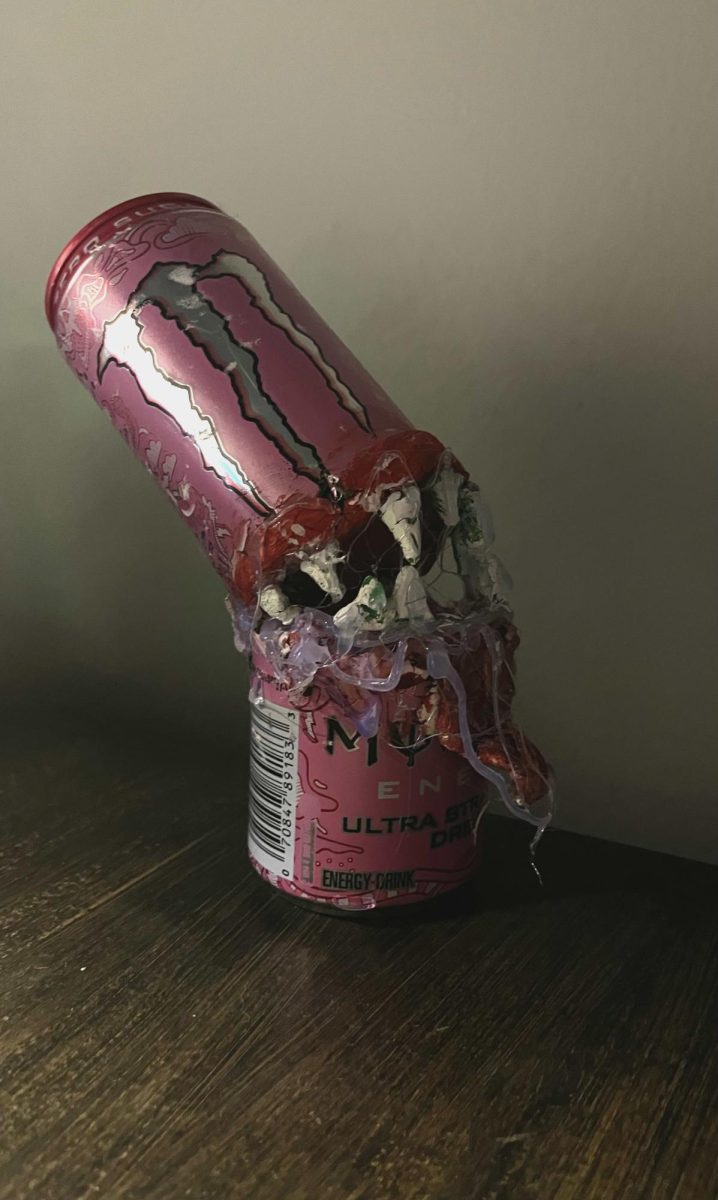


Energy drinks, once marketed primarily to athletes and gamers, have now become a
daily part of how millions of Americans get a quick boost. But the more popular
they are, the more concern about their safety grows. This leaves people questioning
whether energy drinks are just an extra-strong cup of caffeine, or do they pose
some serious health risks.
Industry data shows energy drink sales have climbed at a compound annual growth
rate of 9.7% in the last five years, especially with young people and early-morning
workers. Companies promise better focus, improved mood and more energy,
however doctors say many consumers don’t realize what’s inside the can.
“Some energy drinks contain the same amount of caffeine as three cups of coffee,”
said Kevin Shannon, a cardiologist at Olive View Hospital. “For those with low
caffeine tolerance, it could be a problem.”
Energy drinks usually contain caffeine, sugar, vitamins, and stimulants such as
taurine and guarana. While most of these ingredients on their own are not
particularly bad, experts say high doses-especially in combination-can cause
problems. Too much caffeine can lead to a rapid heartbeat, anxiety, sleep problems,
and higher blood pressure, while the sugar could add to weight gain and a higher
risk of diabetes.
But energy drinks do work in the short term. Studies have found that a moderate
amount of caffeine can heighten focus, alertness, and reaction time. Some athletes
might find a temporary boost in performance.
“You’ll feel more awake,” said sleep specialist Jeanne Wallace. “The concern is
whether people use these drinks to make up for lack of sleep or unhealthy habits.”
Doctors say certain groups face higher risks. Teens often consume energy drinks
rapidly and without a sense of their limits, leading to ER visits due to heart
palpitations, dehydration, and high blood pressure. People with heart or anxiety
disorders develop symptoms even with moderate caffeine consumption; and mixing
energy drinks with alcohol, common in clubs and on college campuses, is
dangerous because caffeine masks how drunk someone feels.
But for most adults, up to 400 mg of caffeine per day appears to be safe. Yet a single
energy drink can contain 150–300 mg, and two cans could easily exceed the limit.
For teens, experts suggest up to 100 mg per day, which many energy drinks
immediately surpass.
Most teens don’t show much concern about the health risks, however some bare
concerns while having energy drinks. For example, sophomore student Erik Skyles
has been drinking them for about two years now, and he says he worries a little, but
it’s not much of a burden for him. “I kinda care about the side effects for my boxing
and stuff,” Skyles said. “Don’t wanna have a heart attack mid spar”.
When it comes to teens being in sports, they have risks that weigh more on them
during play. The drinks cause an increase in heart rate which can cause concerns
when being stimulated. It may also cause elevated blood pressure. The end results
involve dehydration, sugar crash, potential heart complications, and overall poor
performance.
Manufacturers counter that their products are safe when consumed responsibly,
and some have added zero-sugar options and clearer labels. Critics say the steps
help but don’t solve the underlying problems.
Overall, energy drinks are not inherently hazardous to healthy adults who consume
them in moderation. They may create a temporary high, but they also come with
very real dangers-particularly for teenagers, those who suffer from heart or anxiety
issues, and those that mix them with alcohol.